
The Blackout Chronicles
Latin America’s Reality, United States’s Forecast

When my Department Chair asked what we were reading during a meeting, I was among the few colleagues to answer the question literally: a queer speculative fiction novel, a debut nonetheless, by Korean American author Jinwoo Chong. Needless to say, this was not followed by any comment, and my chair found a way to boomerang the conversation back to the pedagogical books she intended to reference. Meanwhile, I was mentally adapting Flux into a course syllabus. Why? Because this novel offers a real, messy look at the complexities — and difficulties — of living between cultures, the media representation of minorities, and yes, the looming possibility of frequent blackouts even in so-called "developed" countries. Imagine that.
This was our last meeting before Winter break, which meant, for some of us, traveling to see family in other countries. That same Christmas, there was a massive blackout in Puerto Rico, leaving families to celebrate the last days of 2024 in the dark. But let's not act surprised — Puerto Rico has been living this plotline on repeat. If you somehow missed the memo, Bad Bunny broke it down for us in his 23-minute epic El Apagón — half music video, half slap-in-the-face reality check. It's a banger and a bulletin. He said it loud and clear: "Yo no me quiero ir de aquí" — and honestly, that line hits different when you're watching your Nochebuena candles do double duty as emergency lighting.
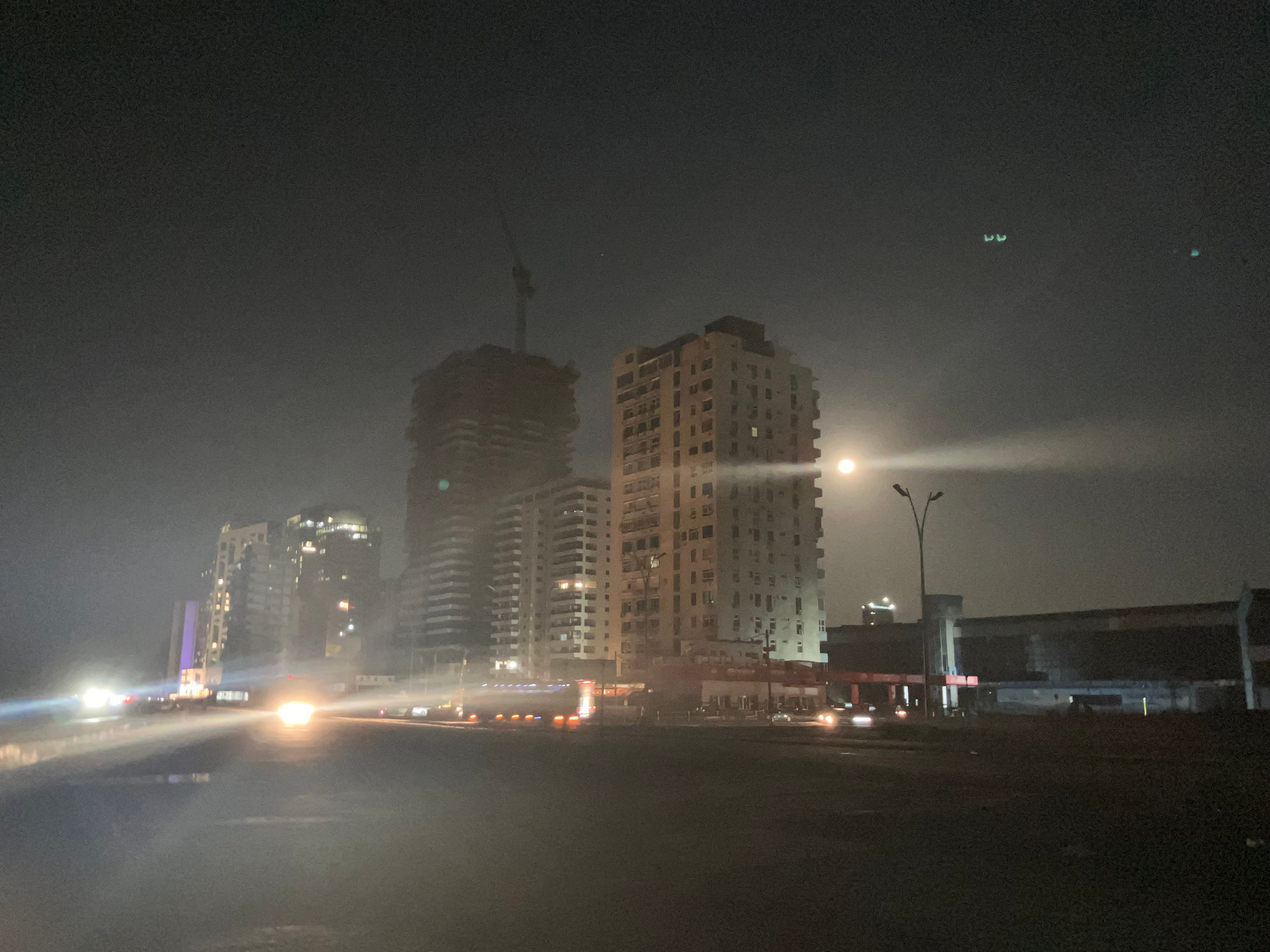
Fast forward to my own holiday trip: I just got back from Cuba, where yet another nationwide blackout left the island stumbling in the dark, both literally and metaphorically. The last time this happened was back in October 2024, and here we are again, five months later, like a bad sequel nobody asked for.
And it's not just Cuba and Puerto Rico. Blackouts spread across Latin America like a viral TikTok trend no one actually likes but can't escape. Why? And more importantly — are we all doomed to a future of flashlights and lukewarm drinks?

Why Are There Blackouts for Days in Some Latin American Countries? Can This Be Solved?
Oh, where to begin? Picture an electrical grid held together by chewing gum, bureaucracy, and sheer optimism. Infrastructure in many Latin American countries is a relic from the days when disco was cool, and sadly, much like disco, it's not making a comeback. Decades of underfunding, corruption, and "we'll fix it mañana" attitudes have turned power grids into fragile, overworked messes.
And then there's climate change, because why not add another crisis to the mix? Droughts limit hydroelectric power, hurricanes batter the already shaky grid, and heatwaves push energy demand into the stratosphere. Top that off with economic mismanagement — energy subsidies that sound nice on paper but drain resources faster than a teenager using their parents' money on Roblox — and you've got a recipe for rolling blackouts.
Can this be fixed? Theoretically, yes. Countries like Chile and Uruguay have proven that investing in renewables, decentralizing grids, and actually maintaining infrastructure works wonders. But that requires political will, funding, and leaders who care more about long-term solutions than short-term PR stunts. So, you know, no guarantees.
Why Is This Not Happening in Developed Countries?
If you're reading this from a country where a blackout means lighting some scented candles for the "vibes" rather than questioning your entire existence, congrats — you live somewhere that invests in its power grid.
Developed nations throw money at their infrastructure like it's building flashy bridges while the foundations may be crumbling — impressive from afar, but not precisely disaster-proof. Their grids are modern, diversified (nuclear, renewables, natural gas), and not run by people who treat maintenance like an optional hobby. Smart grids? They've got them. Automated rerouting? Yep. Quick repairs? Absolutely — because a prolonged blackout in a major U.S. city would cause more outrage than the disappointing season finale of a beloved TV show.
Of course, they still have their moments — looking at you, Texas 2021. But those failures are more of an exception than a rule, which is why you don't see New York or Berlin shutting down for days at a time.
U.S. in the Dark? Flux and the Blackout Prophecies
Jinwoo Chong's novel Flux paints a near-future America where blackouts are popping up like surprise visits from your in-laws — occasional, inconvenient, and just frequent enough to keep you on edge, suggesting that rising energy consumption could make this our new normal. Science fiction? Sure. Completely impossible? Not so much.
The U.S. has an energy addiction. Between AI's insatiable appetite for data processing, cryptocurrency mining, ever-expanding data centers, and the rise of electric vehicles, power demand is skyrocketing like a billionaire's ego in a rocket. Now throw in climate change (heatwaves making ACs work overtime, winter storms freezing power lines, rising sea levels threatening coastal infrastructure), and suddenly Flux starts feeling less like dystopian fiction and more like a very unsubtle warning.
Oh, and let's not forget cyberattacks. The grid is going digital, which is great — until some hacker decides to treat it like a video game. Good luck explaining to Gen Z that TikTok is offline indefinitely if a cyberattack ever takes down a major power grid.
That said, the U.S. has the resources and tech to prevent this future — if the right investments are made. Grid modernization, renewable energy expansion, AI-driven energy management. It's all possible. But while the U.S. has the resources, whether it actually happens depends on the usual mix of politics, corporate greed, and whether public attention holds longer than a news cycle — unlike in Latin America, where the challenges are less about overconsumption and more about deep-rooted global inequalities that have long undermined the ability of so-called "developing" countries to truly develop, combined with economic instability and outdated, fragmented electrical grids that look nothing like the tightly regulated and redundantly backed systems of their wealthier counterparts.
Last Light
Will blackouts be the new group chat ghoster, mostly absent, occasionally disruptive, and always popping up when you're least in the mood — but unfortunately, often enough to keep us nervous and nostalgic for working light switches? They're already here in Latin America, served with a side of government excuses. In the U.S., they remain a "what if?" — but one that's creeping closer. Flux may be fiction, but its blackout anxiety reads more like a spoiler alert than make-believe.
For now, Latin America will continue its ongoing relationship with unreliable electricity while the rest of the world watches and debates whether they're next. And in the meantime, we'll all be lighting candles over here on the island — not for romance, but to see if the food in the fridge has gone bad yet.